The Importance of O&G Operations in the Gulf of America
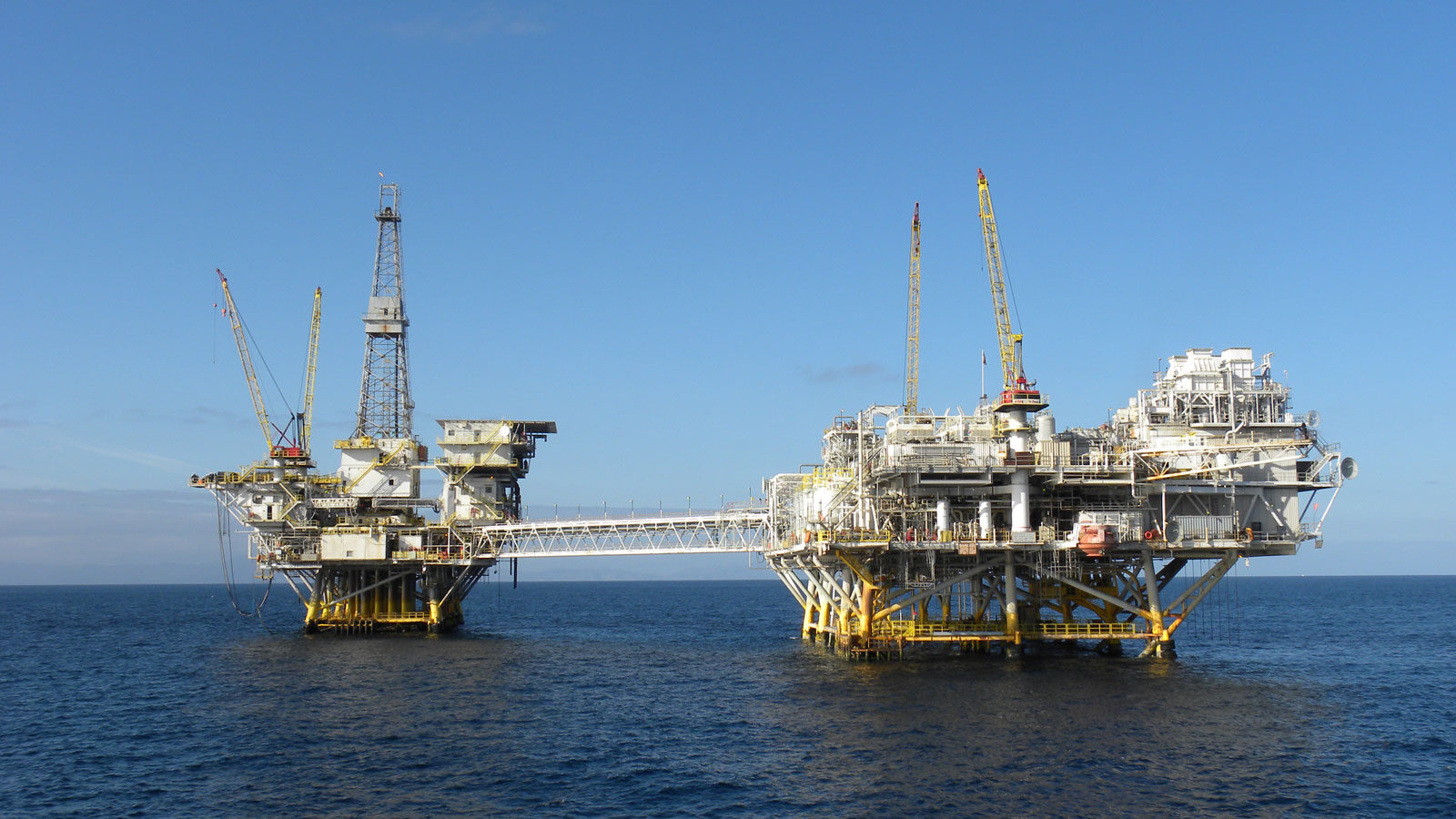
Offshore oil and gas operations in the Gulf of America have long played a significant role in U.S. energy production. As the energy landscape continues to evolve, questions around reliability, economic impact, and responsible development have become increasingly important.
Examining the role of offshore operations in the Gulf of America requires looking beyond short-term trends and considering how energy security, economic contributions, workforce sustainability, and regulatory oversight influence long-term outcomes.
TL;DR Summary
Oil and gas operations in the Gulf of America are essential for U.S. energy security, economic stability, and workforce sustainability. With modern safety standards, advanced technology, and strong regulatory oversight, responsible development in the Gulf of America remains critical to meeting current and future energy demands.
The Deep Dive
U.S. Energy Security and Supply Reliability
Domestic offshore production in the Gulf of America helps reduce reliance on foreign energy sources while providing a stable and predictable supply of oil and natural gas. The region’s mature infrastructure, skilled workforce, and proven geology make it uniquely positioned to meet ongoing demand safely and efficiently.
As global energy markets experience volatility, maintaining domestic offshore production in the Gulf of America strengthens national energy security and supports long-term planning for both operators and regulators.
Economic Contributions and Workforce Development
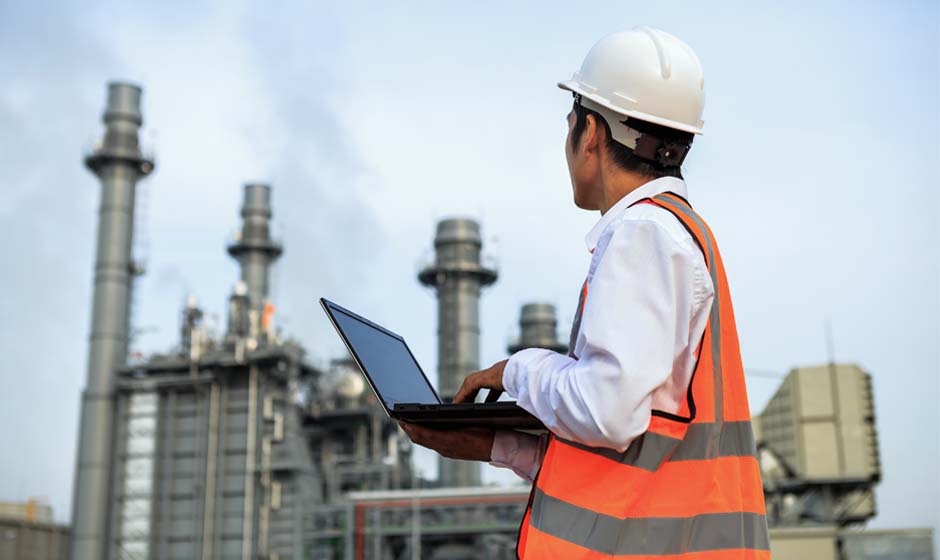
Operations in the Gulf of America support thousands of direct and indirect jobs across engineering, logistics, safety, inspection, and operational roles. Beyond employment, offshore activity generates significant revenue through federal and state royalties, taxes, and reinvestment into coastal economies.
Continued development also sustains a highly specialized workforce, ensuring that critical offshore knowledge, safety practices, and operational expertise are preserved and passed on to future generations.
Advances in Safety, Technology, and Regulatory Oversight
Offshore operations in the Gulf of America are subject to some of the most stringent safety and environmental regulations in the world. Since past industry incidents, companies have made significant investments in improved well design, real-time monitoring, emergency response capabilities, and safety management systems.
These advances allow operators to continue development responsibly while minimizing environmental risk and improving overall operational performance.
The Gulf of America’s Role in the Future Energy Mix
Even as renewable energy sources expand, oil and natural gas will continue to play an essential role in meeting global energy demand for decades to come. The Gulf of America offers an opportunity to balance this reality with responsible development, advanced technology, and strong regulatory frameworks.
Continued investment in Gulf of America operations allows the industry to evolve while maintaining the reliability and scale required to support economic and industrial activity.
Conclusion
Continuing and developing offshore operations in the Gulf of America supports energy security, economic stability, and responsible resource management. With modern safety standards, experienced personnel, and strong regulatory oversight, the Gulf of America remains a vital component of the U.S. energy landscape.
Thoughtful, well-managed development ensures the industry can meet today’s needs while preparing for tomorrow’s challenges.